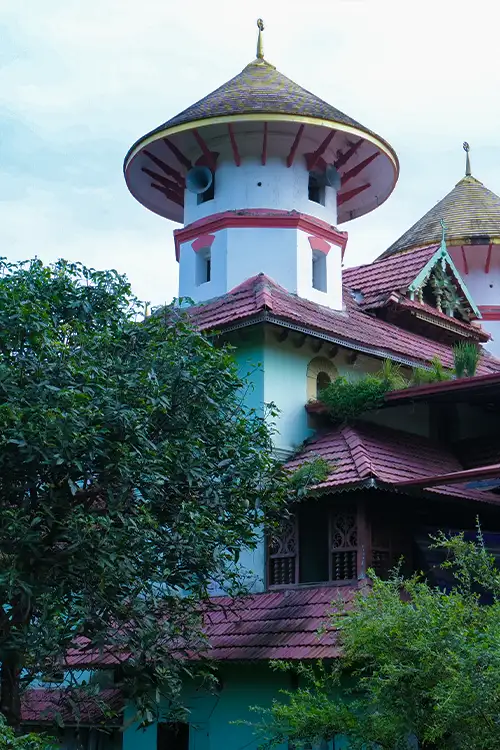
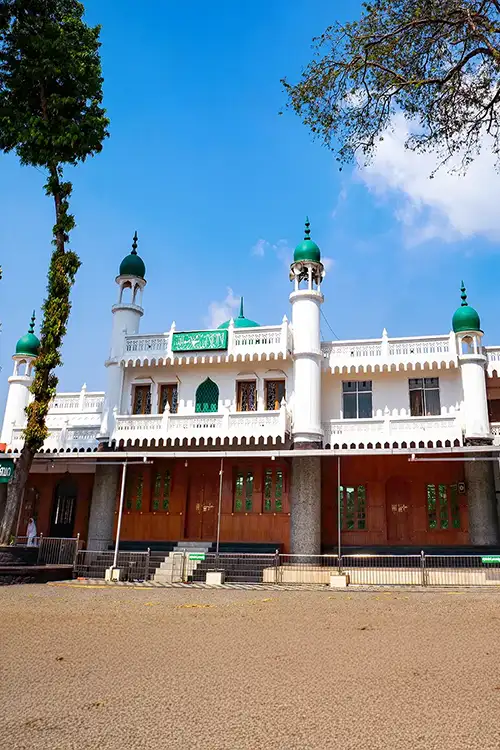
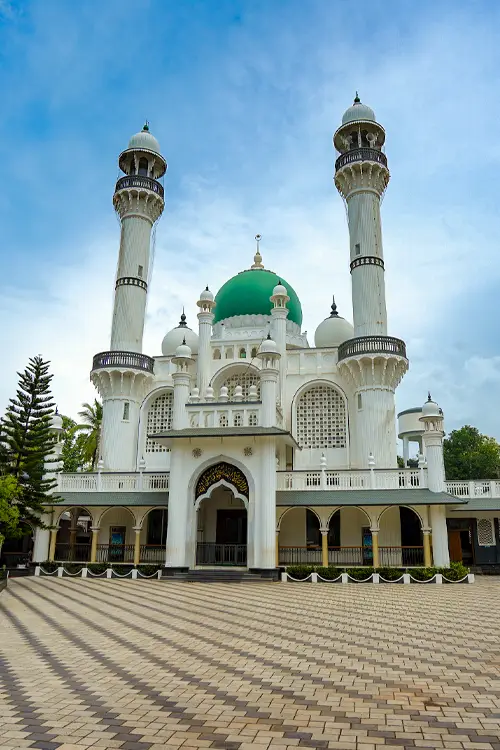
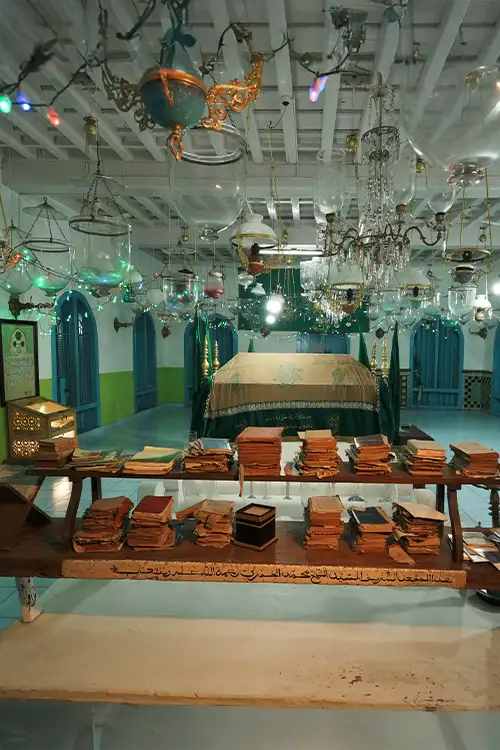
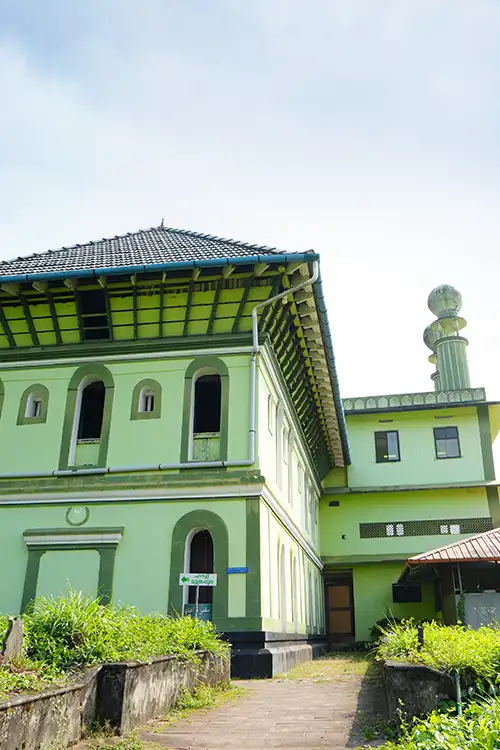
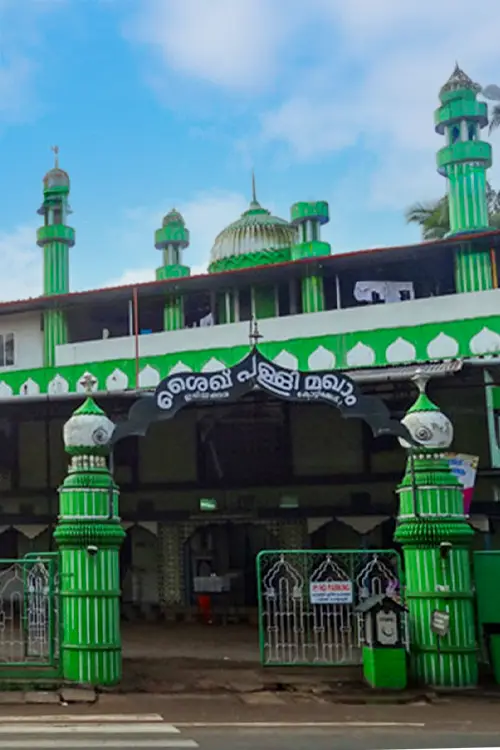
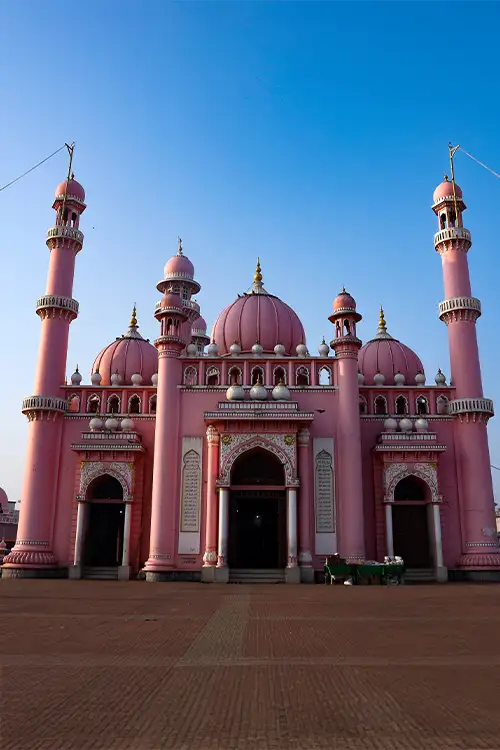
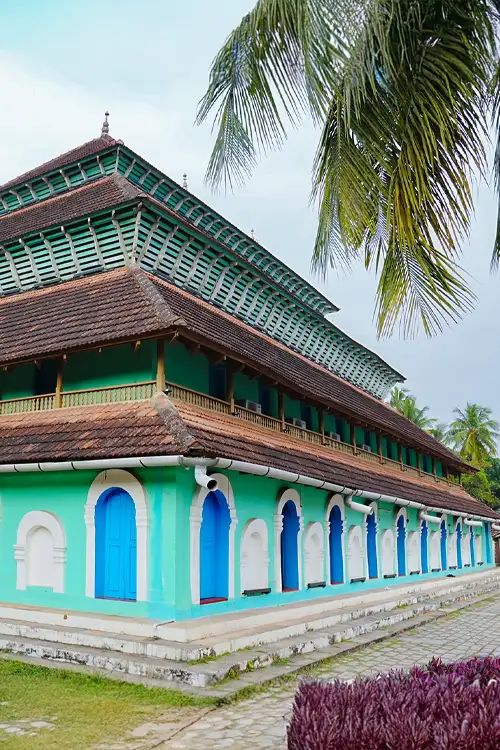
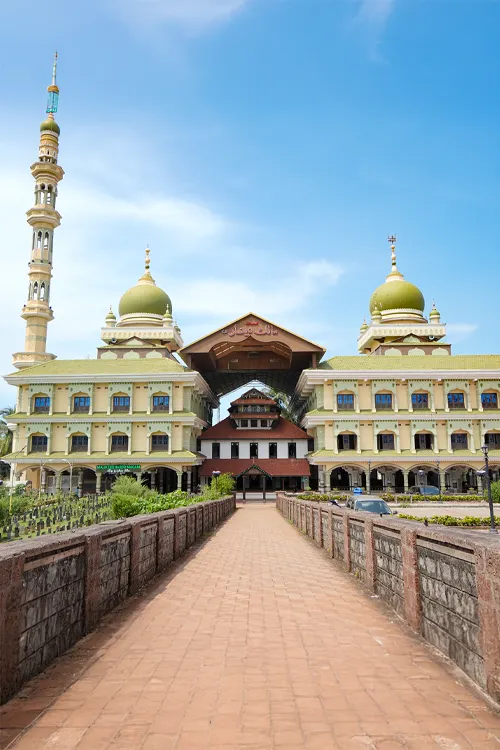
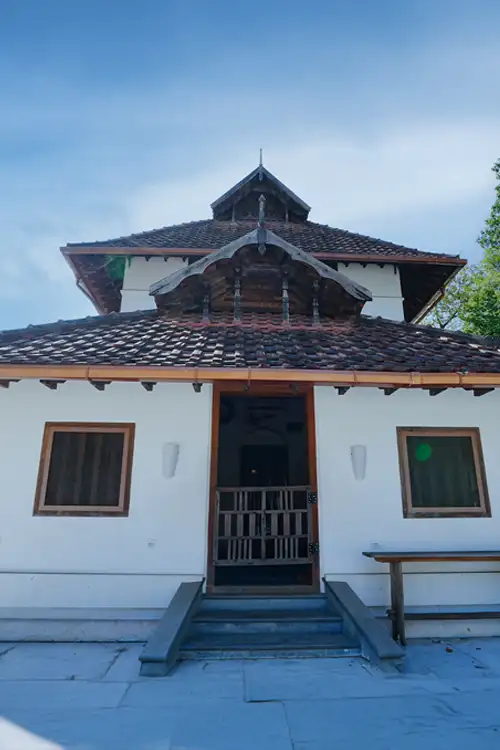
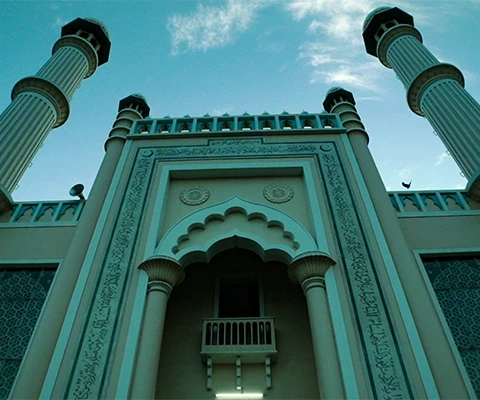
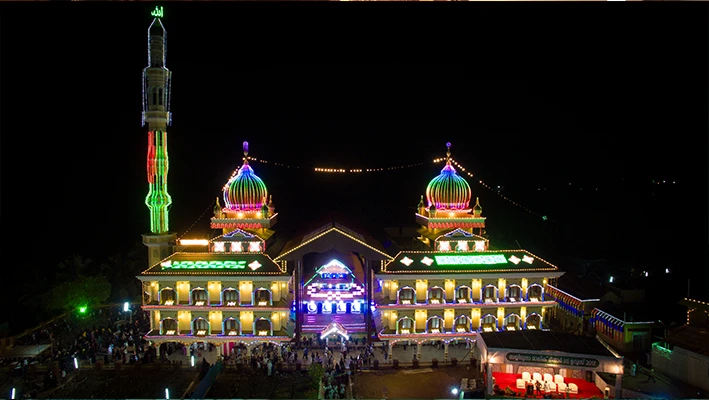
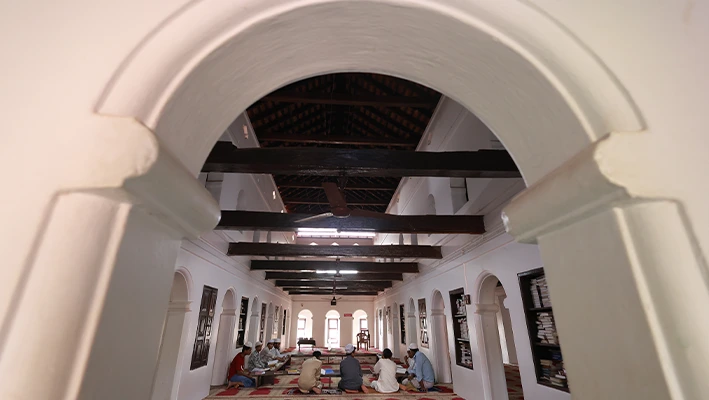
Throughout Kerala and beyond, numerous shrines have emerged as important pilgrimage centers for Mappila Muslims, reflecting their deep spiritual traditions and reverence for saints and martyrs. These sacred sites are not only places of prayer but also powerful symbols of resistance, devotion, and cultural identity. From the renowned shrine of Mamburam Thangal, who supported anti-colonial struggles, to historic mosques like Cheraman Masjid and Mithqal Masjid, each location carries rich historical and religious significance. Annual festivals like Urs draw pilgrims from across regions, while shrines outside Kerala, in places like Nagore and Ervadi, also continue to attract Mappila devotees seeking spiritual blessings.
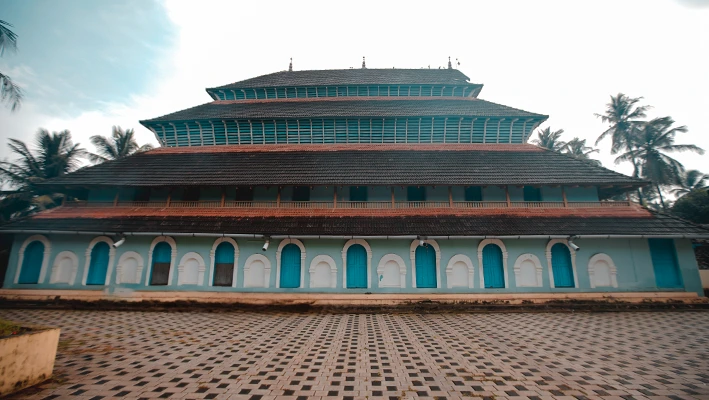
Pilgrims also travel to Calicut to visit the Dargah of Shaikh Jifri, a Sufi, who arrived in the city in the eighteenth century. The Kuttichira Mosque, the oldest mosque of Calicut, and Mithqal Masjid, built during the Portuguese era, stand as historic landmarks. The pilgrims visit the Dargah of Shaikh Mamukkoya, a Sufi who lived during the Portuguese period. The famous Urs called Appavanibham Nercha at Calicut is in his name.
The old mosque at Pantalayani, Kollam, in northern Kerala, is also considered significant. In Kannur, the masjid and Arakkal Palace, associated with the Arakkal royal family, are notable sites.
Mappila Muslims also visit shrines outside Kerala, such as those in Ervadi, Nagore, Kayalpatnam, Kilakkarai, Madurai, Ullal, and Gulbarga. These places have evolved into centers of Islamic learning and cultural heritage.
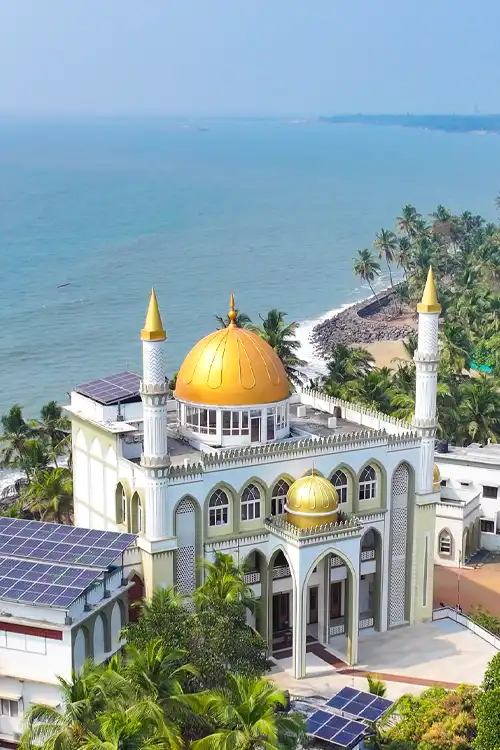
.webp "Shrine in Kerala")